Mastering the Art of Fluffy Gluten-Free Donuts: A Bakery Experience at Home
There's something undeniably magical about a fresh donut – that pillowy softness, the perfect golden crust, and the sweet, melt-in-your-mouth glaze. For those navigating the world of gluten intolerance or celiac disease, this classic indulgence often feels like a distant memory. But what if we told you that achieving bakery-quality, light-as-air gluten-free donuts at home isn't just a dream, but a delicious reality? Prepare to reclaim the joy of this beloved treat, whether you prefer the rich indulgence of deep-frying or the lighter touch of air-frying.
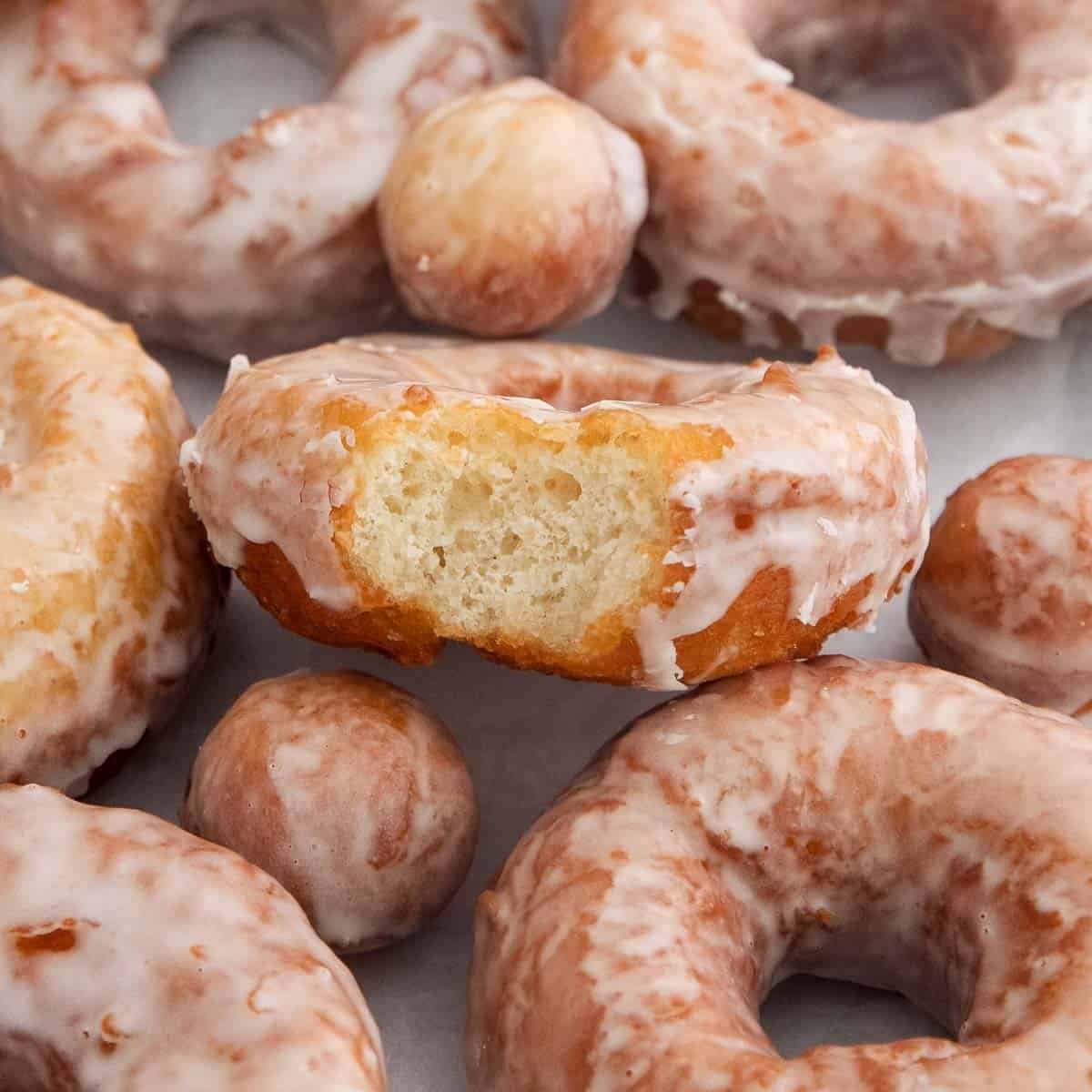
Forget dense, crumbly disappointments. Our comprehensive guide will walk you through the secrets to crafting yeast-raised gluten-free donuts that boast a tender, fluffy interior reminiscent of your favorite donut shop, paired with a subtly crispy exterior. We're talking Krispy Kreme-level perfection, made accessible right in your own kitchen.
The Undeniable Secret: Tapioca Starch for Superior Gluten-Free Donut Texture
The most significant hurdle in gluten-free baking, especially for yeast-risen doughs, is the absence of gluten's elastic network. This often leads to doughs that are difficult to handle, prone to cracking, and result in a dense, bread-like texture rather than the desired airy lightness. However, the secret to truly tender, stretchable gluten-free donut dough lies in one powerful ingredient: tapioca starch (or tapioca flour).
By replacing a portion of your all-purpose gluten-free flour blend with additional tapioca starch, you introduce a remarkable elasticity and pliability to the dough. This isn't just about making the dough easier to work with; it directly translates to a superior final product. Tapioca starch allows the dough to stretch more effectively during shaping and to expand beautifully during proofing and cooking, resulting in that coveted fluffy and tender crumb. Even if your chosen gluten-free flour blend already contains tapioca starch, adding this extra amount is absolutely crucial for achieving that "bakery-style" texture and ensuring your donuts are light, not heavy.
Want to dive deeper into why this ingredient is a game-changer? Explore The Secret to Krispy Kreme-Like Gluten-Free Donuts (It's Tapioca Starch!) for a full breakdown.
The Alchemy of Ingredients: Crafting Your Perfect Gluten-Free Donut Dough
While tapioca starch provides the structural magic, the synergy of several key ingredients completes the profile of an exceptional gluten-free donut. Each component plays a vital role in achieving the desired taste, texture, and rise:
- Quality All-Purpose Gluten-Free Flour Blend: This is your base. Choose a blend specifically designed for yeast-raised bread or baking, as these often contain a balanced mix of flours and starches, sometimes with added xanthan gum for structure. A good blend will provide foundational structure without overpowering flavors.
- Tapioca Starch/Flour: As discussed, this is non-negotiable for elasticity, ease of handling, and that signature fluffy, tender texture.
- Salt: Far more than just a seasoning, salt brightens all the other flavors in your donut. Crucially, it also plays a role in controlling yeast activity, preventing the dough from overproofing too quickly.
- Cream of Tartar & Baking Soda: This dynamic duo acts as a secondary leavening agent. When combined, they react to produce carbon dioxide, helping the donuts puff up even more. Cream of tartar, an acid, also contributes to browning and helps stabilize the dough.
- Granulated Sugar: Beyond sweetness, sugar contributes to the tenderness of the donut and provides essential food for the yeast, aiding in a robust rise. With just about 1/2 cup for a dozen donuts, the primary sweetness comes from the glaze.
- Instant Yeast: The heart of any yeast-raised donut, instant yeast is responsible for the characteristic rise, airy texture, and complex, yeasty flavor. Ensure your yeast is fresh for optimal results.
- Apple Cider Vinegar (ACV): This acidic component helps stabilize the dough's rise, leading to a more consistent and even texture. It also subtly enhances the overall flavor profile.
- Eggs (one whole egg + one egg white): Eggs are critical binders, helping to hold the gluten-free dough together. They also contribute to the richness, moisture, and help support the donut's rise and structure.
- Milk: Adds essential moisture and richness to the dough, contributing to its tender crumb. Warming the milk slightly can help activate the yeast more efficiently.
- Melted Butter: The addition of melted butter imparts incredible flavor and further enhances the tenderness of your donuts, creating a truly indulgent experience.
- Dash of Nutmeg: This seemingly small addition makes a huge difference. A dash of nutmeg infuses the donuts with that classic, warm, and comforting bakery aroma and taste that truly elevates them beyond ordinary pastries.
When preparing the dough, a stand mixer with a paddle attachment is highly recommended. It efficiently combines and aerates the ingredients, ensuring a smooth, properly incorporated dough. If you don't have a stand mixer, a food processor with a plastic dough blade, used with short pulses, can also work.
From Dough to Delight: Mastering Deep Frying and Air Frying
Once your dough is perfectly mixed, the magic truly begins. The refrigeration step is vital: chilling the dough in a sealed container for at least an hour (or ideally, overnight) allows the gluten-free flours to fully absorb the liquid, making the dough much easier to handle and less sticky. This extended chill time also gives the yeast more time to develop deeper, richer flavors, resulting in a more complex and satisfying donut.
The beauty of this recipe is its versatility in cooking methods, allowing you to choose between the traditional deep-fried experience or a lighter, air-fried alternative. For more insights on preparing and storing your dough, check out Easy Gluten-Free Donuts: Make Ahead Dough, Celiac-Safe & Delicious.
Deep Frying for the Full Indulgence
For those who crave the authentic, unadulterated donut experience, deep frying is the way to go. This method yields a perfectly golden-brown exterior that's slightly crisp, encasing a supremely soft, rich, and fluffy interior – just like the gluten free donuts from your fondest bakery memories.
- Oil Choice: Use a neutral-flavored oil with a high smoke point, such as canola, vegetable, grapeseed, or sunflower oil.
- Temperature Control is Key: Maintain an oil temperature between 350-375°F (175-190°C). An oil thermometer is indispensable here. Too cool, and your donuts will absorb excess oil and become greasy; too hot, and they'll brown too quickly on the outside while remaining raw inside.
- Don't Overcrowd: Fry only a few donuts at a time to maintain the oil temperature and ensure even cooking.
- Flip and Drain: Fry for 1-2 minutes per side until golden brown. Once cooked, transfer them immediately to a wire rack set over paper towels to drain any excess oil.
Air Frying for a Lighter Touch
If you're seeking a delicious but less oil-intensive option, the air fryer is your friend. While the texture won't be identical to deep-fried, air-fried gluten-free donuts are still wonderfully fluffy and satisfyingly light, with a lovely golden hue.
- Preheat: Always preheat your air fryer for consistent results.
- Lightly Oil: Lightly spray or brush your shaped donuts with a neutral oil before air frying. This helps achieve a pleasant exterior texture.
- Cook in Batches: Arrange donuts in a single layer in the air fryer basket, ensuring they don't touch.
- Time and Temperature: Air fry at around 325-350°F (160-175°C) for 5-8 minutes, flipping halfway through, until golden brown and cooked through. Cooking times may vary slightly depending on your air fryer model.
Finishing Touches: Glazes, Toppings, and Make-Ahead Magic
No donut is complete without its glorious glaze! A classic sweet glaze made from confectioners' sugar, a splash of milk or water, and a touch of vanilla extract is simple yet divine. For that authentic bakery taste, ensure a whisper of nutmeg is present in your glaze or, as suggested, incorporated into the donut dough itself for an aromatic depth.
These gluten-free donuts are incredibly versatile. You can make the dough up to four days in advance and store it in the refrigerator, allowing you to fry fresh donuts whenever a craving strikes. This "make-ahead" convenience is perfect for impromptu breakfasts, brunch gatherings, or simply enjoying a fresh, warm donut throughout the week without the fuss of starting from scratch every time.
Experiment with various toppings and glazes to customize your creations:
- Classic Glazed: The timeless confectioners' sugar glaze is always a hit.
- Cinnamon Sugar: A simple toss in cinnamon and sugar after frying offers a warm, comforting twist.
- Chocolate Glaze: Melted chocolate or cocoa powder mixed into a glaze for the chocolate lovers.
- Powdered Sugar: A delicate dusting provides a simple elegance.
- Sprinkles: Add a festive touch, especially popular with kids (and adults!).
- Fruity Glazes: Incorporate fruit purees or extracts for a vibrant flavor.
- Filled Donuts: For the truly adventurous, pipe in jelly, custard, or cream fillings after frying.
The Sweetest Conclusion: Gluten-Free Donuts Are Within Your Reach
The days of wistfully passing by donut shops are over. With this comprehensive guide and the power of ingredients like tapioca starch, you are now equipped to create truly sensational, fluffy gluten-free donuts at home. Whether you opt for the classic indulgence of deep frying or the lighter option of air frying, the result will be a tender, flavorful treat that rivals any bakery. So gather your ingredients, fire up your mixer, and prepare to delight yourself, your family, and your friends with these insanely delicious, celiac-safe creations. Get ready to fall in love at first bite – just be warned, you might want to make a double batch!
